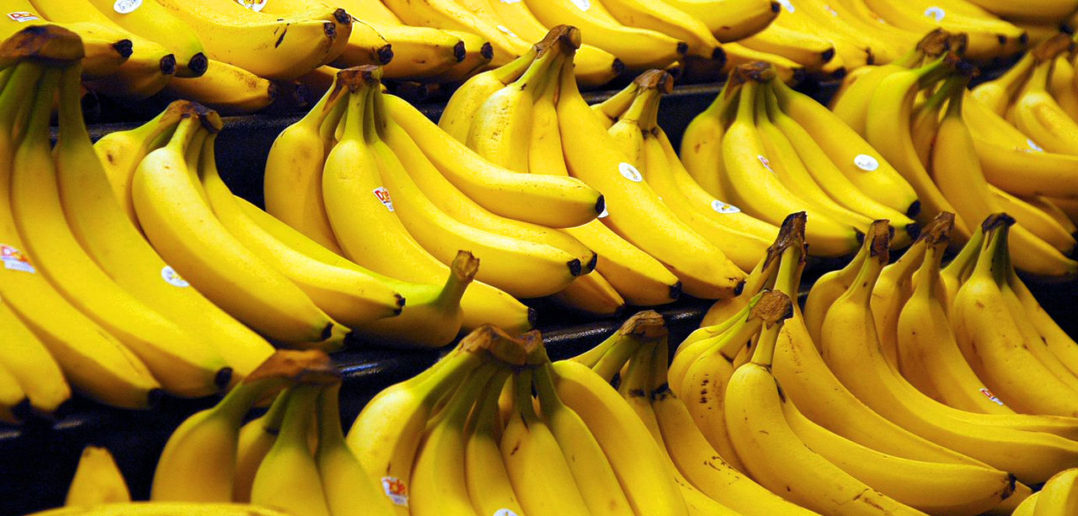
A ‘super banana’ that has been genetically engineered to increase the levels of beta-carotene, which is converted to vitamin A in the body, is to undergo human trials in the US.
The banana was developed by researchers at the University of Queensland in Australia with a goal of preventing children in Uganda and neighbouring countries from going blind or having other complications from vitamin A deficiency.
Five Ugandan PhD students are working with Professor James Dale on the nine-year project, which has been supported by the Bill and Melinda Gates Foundation.
These bananas are grown near Innisfail in northern Queensland, with 10kg of the fruit now shipped to Iowa State University in the US, where the human trial are being conducted.
Professor James Dale said:
“The Highland or East African cooking banana, which is chopped and steamed, is a staple food of many East African nations but it has low levels of micronutrients particularly pro-vitamin A and iron.
“The consequences of vitamin A deficiency are dire with 650,000-700,000 children world-wide dying from pro-vitamin A deficiency each year and at least another 300,000 going blind.
“There is very good evidence that vitamin A deficiency leads to an impaired immune system and can even have an impact on brain development.
“Good science can make a massive difference here by enriching staple crops such as Ugandan bananas with pro-vitamin A and providing poor and subsistence-farming populations with nutritionally rewarding food.”