
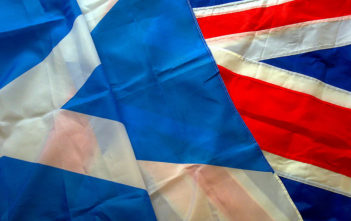
An independent Scotland would need to increase taxes or cut spending to maintain a sustainable economy, the Institute for Fiscal Studies (IFS) has warned.
Based on research conducted by the IFS, David Phillips examines the kinds of tax and spending decisions that may face a newly independent Scotland in its first few years. What is clear is that in or out of the UK, hard fiscal choices are going to have to be made.
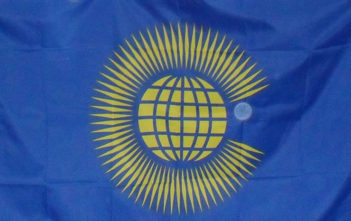
The Commonwealth – that unique values-based association of now 53 member states, almost all of whom are former British colonies – is facing one of its periodic existential crises, which will require another significant reinvention.
A year away from the Scottish referendum, we have opinion polls almost weekly, as the media tries to discern the rise and fall in the standings of the rival teams. Yet the most striking fact is the stability in public opinion. For the past 20 years, support for independence has been around 30% and all the argument over the past two years appears to have made little difference.
Syria has reportedly given Russia “material evidence” that opposition fighters have used chemical weapons during the ongoing civil war.