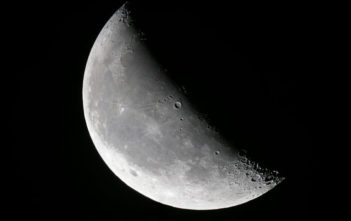
NASA has proposed missions to demonstrate how to make water on the moon and oxygen on Mars.
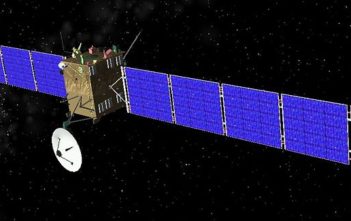
The Rosetta spacecraft is due to wake up on the morning of January 20 after a 30-month hibernation in deep space. For the past ten years, the 3-tonne spacecraft has been on a one-way trip to a 4km-wide comet. When it arrives, it will set about performing a manoeuvre that has never been done before: landing on a comet’s surface.
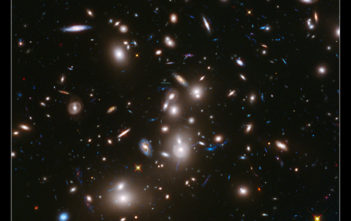
NASA’s Hubble Space Telescope is providing a new perspective on the remote universe, including new views of young and distant galaxies bursting with stars. Scientists described the findings Tuesday in a news conference sponsored by the American Astronomical Society
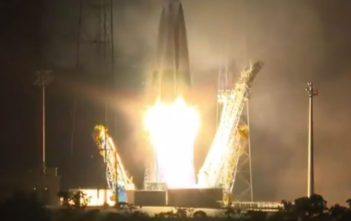
Gaia, the European Space Agency’s billion-star surveyor, blasted off this morning on a Soyuz rocket from Europe’s spaceport in Kourou, French Guiana.
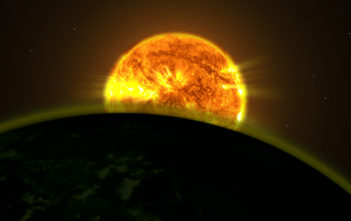
Using the powerful eye of NASA’s Hubble Space Telescope, two teams of scientists have found faint signatures of water in the atmospheres of five distant planets.