Is arming the rebels in Syria a way to balance the conflict and reduce sectarianism and radicalisation within the rebel ranks, or will it open a Pandora’s box in the Middle East?

The US announced on Thursday that following confirmation of Assad using chemicals weapons against the Syrian people the US will now directly supply the rebels with arms. But what effect will this have on the conflict?
After months of talking about “red lines”, the US has announced that they will supply direct military aid to the Syrian opposition after they concluded Assad is using chemical weapons against the Syrian people.
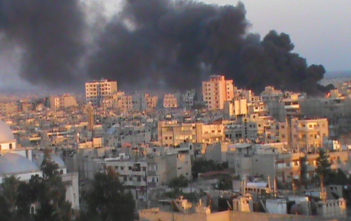
Homs, often referred to as “the capital of the Syrian revolution” has now been under siege by Assad’s forces for a year. With nowhere to go, the people of the besieged districts have been drawn together by their harsh circumstances.
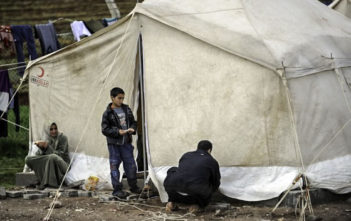
The UN have launched a $5 billion (£3.2bn) humanitarian campaign for Syria stating that by the end of the year half of the population of the war-torn country, 10 million people, will be in need of aid.