
Early humans have long been suspected of pushing the mammoth to extinction, but our ancestors had help from domesticated dogs to hunt such large prey, according to new research.
In a study published in the journal Quaternary International, author Pat Shipman suggests that humans and dogs worked together to hunt mammoths on such a large scale that it pished the species to extinction.
In a statement published by Penn State University, she said:
“Dogs help hunters find prey faster and more often, and dogs also can surround a large animal and hold it in place by growling and charging while hunters move in. Both of these effects would increase hunting success.
“Furthermore, large dogs like those identified by Germonpré either can help carry the prey home or, by guarding the carcass from other carnivores, can make it possible for the hunters to camp at the kill sites.”
Shipman confirmed her theory with analysis of previous studies, and added that “if hunters working with dogs catch more prey, have a higher intake of protein and fat, and have a lower expenditure of energy, their reproductive rate is likely to rise.”
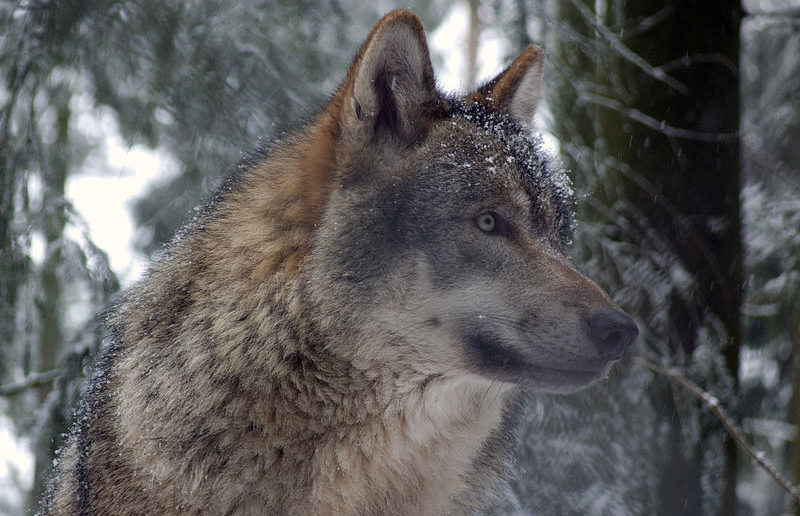
One of the studies that the researcher found to support her hypothesis showed that the diets of the animals identified as dogs differed from those of wild wolves, and another found them to have different genetic makeup to wolves, implying possible domestication.
She also found the existence of the remains of other large predators such as wolves and foxes around the mammoth kill sites, and noted that dogs defend their territory and food fiercely, adding:
“If humans were working and living with domesticated dogs or even semi-domesticated wolves at these archaeological sites, we would expect to find the new focus on killing the wild wolves that we see there.”