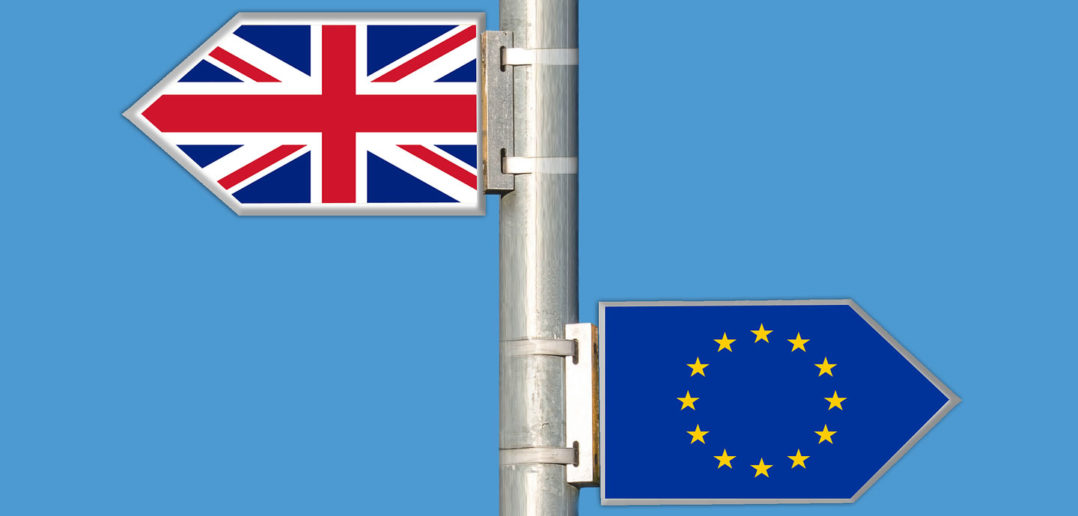
Prior to the snap election, the road to a hard Brexit looked relatively straightforward. Theresa May was in a strong position and claimed a mandate from the referendum to take the UK out of the EU, single market, and customs union. However, when the public cast their ballots on June, they stripped May of her majority, forcing her government into an controversial and expensive alliance with the DUP, and made clear that the question of Brexit was far from over.
Over the course of the short election campaign, the Conservatives’ lead plummeted from a 17 point lead over Labour in May to nearly a dead heat by the time the country went to the polls. Since June, Labour has consistently enjoyed a small lead as the government has lurched form one crisis to the next, with news of fresh Brexit negotiation failures preventing the government from ever finding momentum.
The weakness of May’s government was clearly demonstrated last week, when after months of negotiations over the Brexit divorce bill, EU citizens’ rights, and the future of a border in Ireland, the deal May had agreed with the EU was torpedoed at the last minute by Arlene Foster of the DUP. When the news that the DUP had blocked the deal broke, GBP posted losses against the Euro, with the value of the pound falling overnight to €1.134.
When the Irish deal fell apart, Jean-Claude Juncker praised Theresa May as a “tough negotiator”, but it is becoming increasingly clear that he was being polite. A deal may eventually have been struck with wording that appeased the DUP over the question of regulatory divergence between the Northern Ireland and Great Britain, but the result is a ‘fudge’ that merely kicks the question down the road because in reality there is no way for May to keep her promises to both avoid a hard border in Ireland and for the UK to leave the EU customs union.
Other parts of the deal have also started to unravel within days, as Brexit Secretary David Davis explained that the deal Theresa May had just signed was still negotiable in order to appease the tabloid press and Eurosceptic wing of his own party. This undermines the position of UK negotiators, not just in Brexit discussions, but also in future trade deals with other nations across the globe as it shows the supposedly reliable and secure trade deals will in reality be malleable and filled with uncertainties.
It is uncertainty that remains the biggest problem for Brexit, and Davis’ back-peddling only exacerbates the problem. Britain became one of the world’s foremost economic hubs because of its history and centuries of relative stability, and Brexit threatens to dismantle all of that goodwill. As the government swings from crisis to crisis, with no real Brexit blueprint and even less planning, global businesses are starting to look at the UK as a risky investment. This volatility can be seen in the fluctuating value of the pound, where the financial data shows how the pound rises on rumours of a future Brexit deal and crashes when that consistently turns out to be untrue.
Earlier this week, the Rand Corporation’s in-depth analysis found that the UK would be worse off in nearly every Brexit scenario, with a so-called “hard Brexit” the worst deal of all. As tthe squeeze on UK living standards continues and the public starts to feel the pinch and see the Eurozone prosper, there remains some hope that a hard Brexit could still be averted.
The majority of Britons now support a second referendum on the terms of the Brexit deal, and that remains the best chance of changing path and avoiding a hard Brexit. It has become increasingly clear that leading Brexiteers sold an impossible future for the UK outside the EU, and a second referendum will give the public a chance to decide on a real choice for the future. A hard Brexit remains probably the most likely outcome, whether the UK agrees a “Canada++” deal or finds itself outside the EU trading on WTO rules, but the opinion polls are changing, and a second referendum could mean no Brexit at all.