
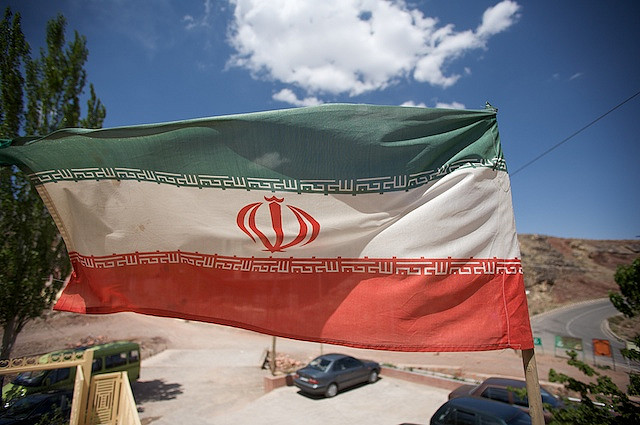
Photograph by Nick Taylor
Iran has signed a historic agreement with the West where it will accept strict constraints on its nuclear programme in return relief from trade sanctions worth billions of pounds to the Iranian economy.
Under the Geneva agreement, Iran will freeze its nuclear programme for six months, pending a final settlement, as well as offer UN inspectors better access to its facilities, and halt the expansion of work on uranium enrichment.
Iran is permitted to continue to use its current nearly 10,000 working centrifuges, in breach of previous UN sanctions, but stop enriching the element to 20 percent purity which is near to weapons grade. Their current stockpiles of such heavily enriched uranium will also be converted into harmless oxide, and they will not expand the number of centrifuges in operation.
Iran will halt the development of its proposed plutonium reactor at Arak, which could have given the country another route towards creating a nuclear weapon using plutonium rather than uranium.
The International Atomic Energy Agency has an expanded role under the agreement, and will have daily access to Iranium facilities to verify that they are complying with the rules set out in the Geneva agreement.
Foreign Secretary William Hague described the lifting of sanctions that Iran will receive in return for its cooperation, saying:
There will be some relief from sanctions for Iran; proportionate and limited relief from sanctions. But that will involve the unfreezing of some assets – in particular by the United States; the lifting of the suspension of some sanctions on items like petrochemicals and on gold and precious metals. So this is some relief from sanctions. But the great bulk of sanctions will remain in place until there is a comprehensive and final agreement that gives the world the necessary assurances that, for the future, Iran’s nuclear programme is exclusively for peaceful purposes.