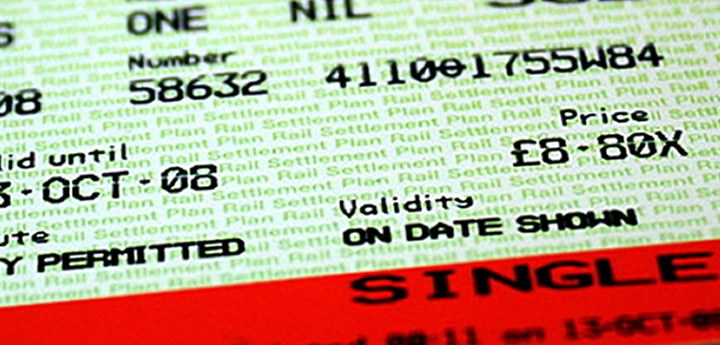
Average rail fares, including regulated and unregulated fares, will rise by 2.2% form 2 January, the rail industry has announced.
The increase in the rail fares is almost 1% higher than the current 1.3% Consumer Price Inflation (CPI) rate, but is slightly lower than the current 2.3% rate of Retail Price Inflation (RPI).
In September, the government said that regulated rail fares, which include season tickets, would be pegged to July’s measure of RPI rather than the maximum cap of RPI plus 1%.
In Scotland, off-peak fares have been frozen since 2013 and peak fares will rise by the July inflation rate of 2.5%, resulting in an overall price rise of 1.5%.
In Northern Ireland, rail fares have not increased since 2013.
Union bosses have hit out at the price increases, with RMT Transport Union Mick Cash commenting:
“The scandal of Britain’s great rail fares rip off continues with today’s hike far out stripping average pay increases and it will once again hit those at the sharp end of the austerity clampdown the hardest.
“After two decades of privatisation the British people pay some of the highest fares in Europe to travel on clapped out, understaffed and overcrowded services while the private train companies are laughing all the way to the bank. Today’s fares announcement just fuels that scandal.”
Manuel Cortes, leader of the TSSA rail union, called on Labour to freeze the fare increases, saying:
“It is time to stop this annual persecution of passengers with year on year hikes in fares. We have seen fares jump by as much as 245% on key routes since privatisation twenty years ago.
“It is now cheaper for a family of four to fly to Iceland to see Father Christmas, £224, than it is for one person to buy an anytime walk on return rail fare from London to Manchester, £321.
“Labour should pledge a year long fares freeze if it wins next May’s General Election. It is high time to end the New Year misery of ever higher fares for millions of passengers.”
However, Rail Delivery Group Director General Michael Roberts argued that the increases were needed to invest in the rail network:
“Over the next five years, Network Rail is spending on average £27 million a day on a better railway, alongside commitments made by train companies to improve services. That will mean more seats, better stations and improved journeys.
“For every £1 spent on fares, 97p goes on track, train, staff and other costs while 3p goes in profits earned by train companies for running services on Europe’s fastest growing railway.”