
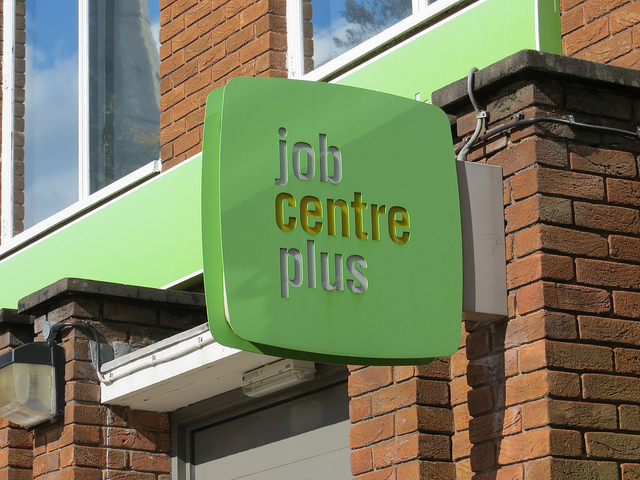

Photograph by Helen Cobain
The government’s war on “scroungers” has turned to forcing jobseekers to filling out bogus psychometric tests or risk losing their benefits.
Real psychometric tests may well be useful in helping job seekers find their strengths, and give them confidence to use those strengths to find work. These psychometric tests imposed on jobseekers, however, are a sham, with the same results given no matter what answers someone gives. People taking the “test” are assigned a set of five positive strengths including “originality” and “curiosity”, but no-matter what answers they give, the strengths they are assigned remain the same.
Some may argue that even results from a sham psychometric test could give people greater confidence to help them find work, but if that is the reasoning behind this “test”, then people should not be coerced into taking it with the threat of losing their benefits. The blogger who originally exposed the sham test, has also discovered that it is part of an experiment, a “randomised control trial” in “nudging” people back into work.
In a medical setting, then people are required to have given “informed consent” under EU law, and it could certainly be argued that any trial about manipulating someone’s personality should be covered under this directive, although we will leave this for the lawyers to fight about.
Even more damning about the “test” is that the website which serves the questionnaire, BehaviourLibrary.com, also contains a variety of other materials that the government have also considered as part of their “nudge” strategy, including a sinister Powerpoint slideshow showing the bailiffs turning up to a house and court dates.
Since this story originally began circulating on the blogs, the Department of Work and Pensions have taken down the website index showing the slideshow, and have amended the test in a number of ways, but the questions remain over their intentions with forcing people to take such a bogus test.