
There’s still no credible evidence that the NSA’s massive digital surveillance has disrupted any terrorist plots.

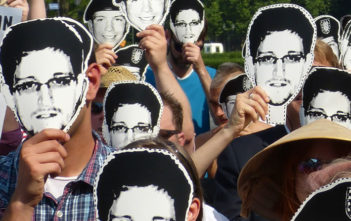
Over the past several months, the Obama Administration has defended the government’s far-reaching data collection efforts, arguing that only criminals and terrorists need worry. The nation’s leading internet and telecommunications companies have said they are committed to the sanctity of their customers’ privacy. I have some very personal reasons to doubt those assurances.
In the face of righteous public wrath, the US administration is contorting itself to ensure that it does not lose its treasured data-mining capabilities: congressional hearings are held, the media is on the warpath, and senior securocrats are being forced to admit that they have lied about the efficacy of endemic surveillance in preventing terrorism.
The NSA and GCHQ have reportedly cracked a number of technologies used on the internet to encrypt communications used in online banking, email, and storing medical records.
Police detained the partner of Guardian journalist Glenn Greenwald at Heathrow and questioned him without charge for nine hours under provisions in Schedule 7 of the 2000 Terrorism Act.