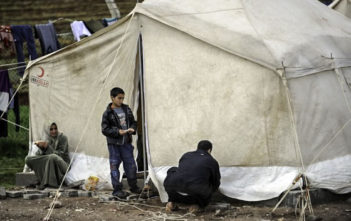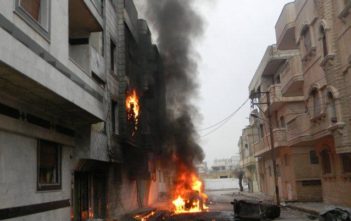
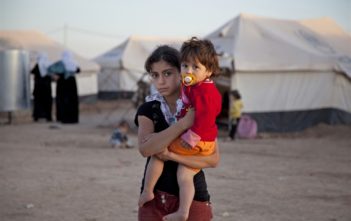
The influx of Syrian refugees into the semi-autonomous Kurdish region of Iraq in recent days has left the aid agencies struggling to provide health care for the new arrivals.
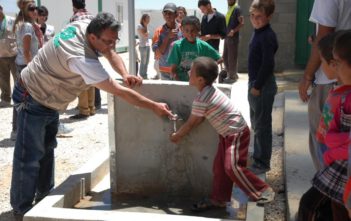
Oxfam is bringing power and light to the displaced Syrians in refugee camps with solar panels
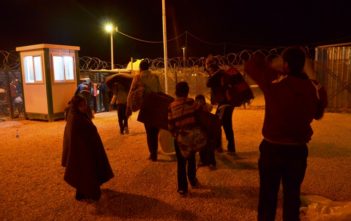
Aid workers are struggling to understand fluctuating Syrian refugee flows into Jordan in recent weeks. The government insists the border remains open, but refugees tell harrowing stories of being turned back.
The UN have launched a $5 billion (£3.2bn) humanitarian campaign for Syria stating that by the end of the year half of the population of the war-torn country, 10 million people, will be in need of aid.
After two years of war, Syrian civilians now live with limited or no access to electricity, medicine or water. Refugees often live in unsanitary camps that are breeding grounds for diseases. As summer hits the region, these struggles will only intensify.