

Immigration minister Mark Harper has quit following the revelation that his cleaner of six years did not have the right to live and work in the UK.
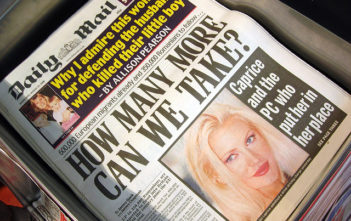

The debate surrounding immigration and asylum seekers is typically skewed in the extreme. Many blame the Daily Mail and other right wing media outlets, but the government and politicians are equally complicit in the smokescreen that has been created to steer us away from the facts and into the realm of dangerous and unfounded rhetoric, that at best is xenophobic and at worst is stirring up racial hatred.
UK Independence Party leader Nigel Farage has called on Western countries, including the UK, to be more accepting of refugees from Syria’s ongoing civil war.
Debate regarding immigration in the UK is highly charged and often consists of the use (or misuse) of statistics to underline one’s argument. While it is important to consistently challenge purposeful misrepresentations of facts that worsen perceptions of migration, Alex Glennie argues that countering numbers with yet more numbers will only reinforce the existing reductive framing of the debate, and confuse or alienate the public further. Treating migrants as statistics rather than people fails to recognise the complex emotional drivers of public attitudes.
Recent headlines have claimed that immigrants in the UK “free-ride” on the benefits and health system, but recent research shows that immigrants from Europe and beyond have actually contributed about £25 billion to the British economy over the last decade.