
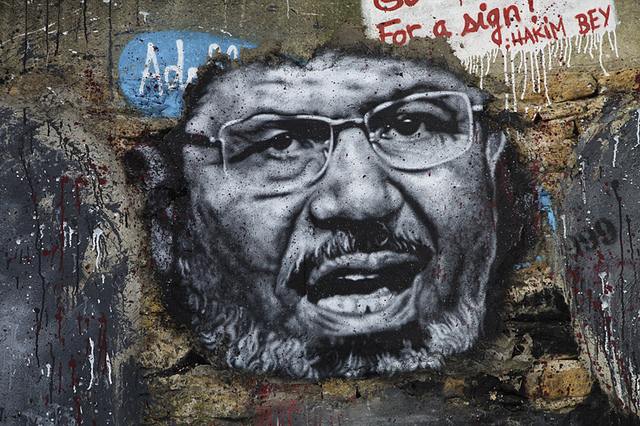
Photograph by Thierry Ehrmann
The situation is tense in Egypt after a night of deadly clashes and the deadline for the army’s ultimatum for President Morsi looms.
Morsi has called for calm on the streets, but in a defiant televised speech last night he vowed to risk death to defend constitutional legitimacy. He went on to blame the unrest on corruption and the remnants of the ousted Mubarak regime, and doesn’t doubt the legitimacy of the protests, but this has done little to satisfy the protesters.
The protesters complain of an Islamisation of politics within Egypt as the Muslim Brotherhood has come to prominence under Morsi, and a lack of ability from the government to address the huge economic and social problems facing the country such as fuel shortages and high food prices. The structure of the Muslim Brotherhood has been used in place of independent government institutions in various areas of politics, which has given concern to many non-Islamist Egyptians as they are left further excluded from the political system. Moreover, whilst the Muslim Brotherhood does well at organising street protests, its structure is not conducive to governing a country.
The army has given Morsi until 16:30 local time (14:30G GMT) to deal with the ongoing crisis that has brought millions out onto the streets, with 16 people killed last night alone in clashes between opponents and supporters of Morsi and his government. In a statement on their Facebook page following Morsi’s speech last night, the Egyptian army warned of their intervention, saying:
“We swear to God that we will sacrifice even our blood for Egypt and its people, to defend them against any terrorist, radical or fool.”
A number of religious figures have also publicly given support to the protesters, with the head of the Coptic Church in Egypt, Pope Tawadros II, tweeting [ar]:
“How wonderful are the Egyptian people recovering their stolen revolution in a civilized manner with the idea of “rebellion” and its great youth’s sacrifice. I pray for all the people of Egypt.”
Unconfirmed rumours of the army’s plan if they intervene include outlines for new presidential elections, the suspension of the controversial new constitution, and the dissolution of parliament. Other sources have denied these reports, instead claiming that the deadline would bring the start of talks with Morsi on what should be done next.
Today, Morsi and Prime Minister Hisham Qandil held talks with the head of the armed forces, General Abdel Fattah al-Sisi, for a second consecutive day, no details or conclusions of these talks have been shared. As the crisis continues, however, Morsi’s position continues to weaken as members of his government resign and he is left besieged with millions of protesters, religious figures, and the army joining against him.