
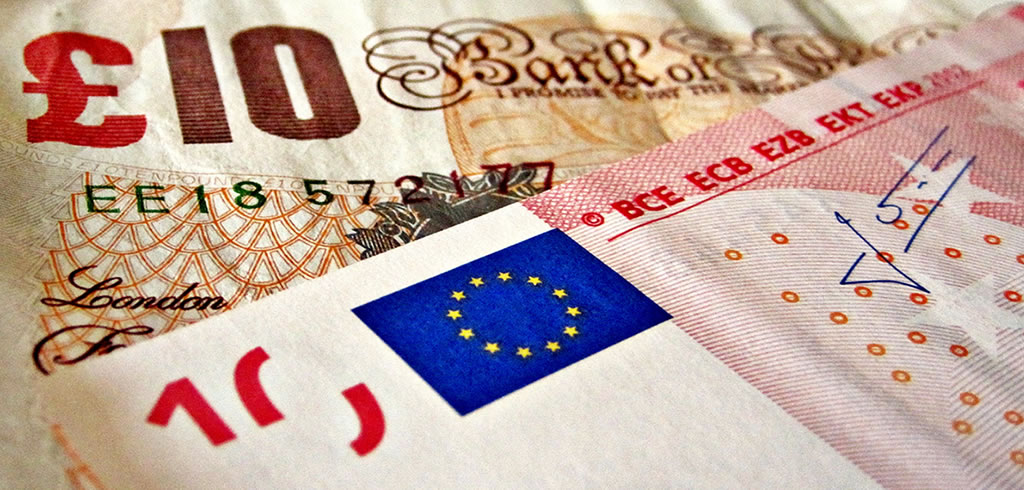
A cashless society would appear to be inevitable, and within a generation the cheque book and piggy bank will be resigned to the history books alongside steam train travel. Services such as the new Apple Pay and Barclay’s bPay – a wearable wrist band used to conduct low cost transactions – seem to be ushering in an era of cashless transactions.
Cashless countries
In Sweden, a would be bank robber left empty handed when it transpired the bank in question held no money. Five of the six big banks in Sweden operate cashless branches – and predictions are it will be a cashless country by around 2030.
In Denmark, a decisive move towards a cashless society has been taken by the government saying that retail businesses such as restaurants, clothing stores and filling stations no longer have to take cash payments.
Almost a third of Danes use a system called MobilePay that links to other people’s mobiles for direct payments between individuals, and sensors at tills to enable swipe payments. In the UK swipe card payments are established, and many choose cashless options when available such as paying at the pump at filling stations even if there is a payment kiosk.
There is a concern that card fraud will rise as cashless payments increase. In Sweden, examples of card fraud have increased twice over in the past decade – a country with one of the highest numbers of card transactions per person in the EU.
Along with Denmark and Sweden, the other Nordic countries are world leaders in cashless payments.
Over-exaggerated?
The BRC (British Retail Consortium) say that the death of cash has been greatly exaggerated even though evidence does seem to suggest cash is declining in popularity. The Halifax said recently that cash makes up just over £18 in every £100 spent with card and digital payments dominating.
However, technological progress is only accelerating, and as noted by NICE Software Solutions in their customer experience solutions report, “we can expect that new and improved technologies will accelerate further changes”.
Barclays claim that around half of all payments in ten years’ time will be made by some type of mobile device. They predict a rise from £9.7 billion now to over £53 billion in 2025.
Despite this, the BRC maintain that the decline has reduced in severity in recent years compared to surveys undertaken a longer time ago.
The rise of the mobile device
As mentioned by Barclays, the huge rise in smartphone and tablet use in recent times has changed people’s buying methods. In 2009 just 14% of mobile phones in the UK were smartphones – now it’s over 60% and likely to rise, and one in two adults own a tablet.
People are more used to buying without cash – witness the boom in online retailing – and in many cases cash is being phased out. For example, more and more car parks are moving over to telephone payments rather than the traditional cash machines. With swipe payments often available for low cost transactions, people are tending not to carry as much cash as they used to.