
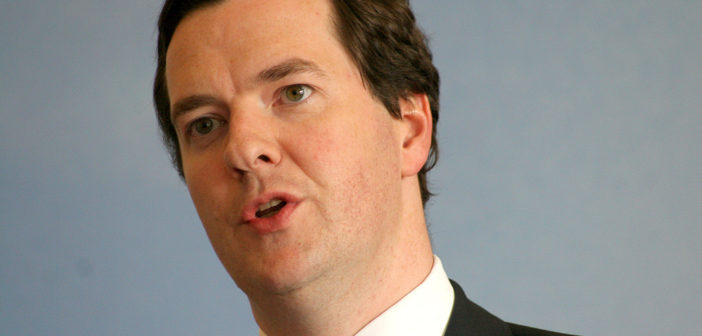
Chancellor George Osborne is updating MPs on the current state of the UK economy and the government’s future plans. Osborne continues to claim that “Britain’s economic plan is working” and the Tory-led coalition government is making the right tough decisions to keep UK finances within budget.
This article is live and will be updated throughout the Chancellor’s speech.
Key Points
Economic Growth
Growth forecasts for the year have more than doubled from 0.6% to 1.4% as the UK economy has slowly risen from depression.
Revised figures from the Office of National Statistics (ONS) show that the economic decline in the year 2008-9 was 7.2%, notably greater at 7.2%.
UK’s “underlying deficit” revised down to 6.8% this year, and to 5.6% in 2014-15.
The government is borrowing £111 billion this year, and this is expected to fall to £96 billion next year, £79 billion in 2015-16, £51 billion in 2016-17, and £23 billion in 2017-18.
The Office of Budget Responsibility (OBR) forecasts that the UK will be running a small surplus by 2018-19.
The UK’s public debt is due to be 75.5% of GDP this year, rising to 78.3% next year, and peaking at 80% in 2015-16.
Export finance capacity to support for British businesses will be doubled to £50 billion.
Tax
Personal income tax allowance will rise to £10,000 from April 2014, and then will be linked to the Consumer Price Index (CPI) to rise in line with inflation from 2015-16.
Creation of a tax break for married couples and civil partners is set to start in April 2015 and will cost £700 million per year.
Tackling Tax Avoidance and Fraud
Raise £9 billion over next five years
From April 2015 capital gains tax introduced for foreign property investors who make a gain of buying and selling houses in the UK.
Employment
Unemployment benefits claimants down by 200,000, with unemployment predicted to fall from 7.6% this year to 7% in 2015.
3.1 million jobs forecast to be created by 2019.
Education
Free school meals to be offered to all state schools in England from September, costing £600 million per year.
Highest number of people from disadvantaged backgrounds applied to university this year.
Benefits and Pension
The age before people are able to claim the state pension is to be raised to 68. for those retiring in mid-2030s and to 69 in mid-2040s.
The value of the state pension will increase by 2.7% (£2.95 per week) in April 2014
Working-age benefits and tax credits will only rise by 1% over the next three years, a major real-terms cut.
Overall welfare spending to be capped.
People aged 18-21 without basic English or maths qualifications will be required to undertake some form of training when they leave school or will lose their entitlement to benefits.
People who have been unemployed for more than six months will be forced into training, work experience, or community work, or will lose their benefits.
Energy
Coalition has outlined plans to change some green levies to reduce size of price rises recently announced by energy firms, estimated to save bill payers an average of £50 per year.
Motoring
Tax discs are to be replaced with an electronic system
Planned 2p fuel duty increase for next year will be cancelled.