

The UK’s highest court has ruled that the government must take immediate steps to reduce air pollution.
In a unanimous decision, a panel of five judges said that the government “must prepare and consult on new air quality plans for submission to the European Commission… no later than December 31 2015”.
The ruling is a victory for environmental campaigners, who argued that the UK breached EU limits for nitrogen dioxide (NO2) in the air.
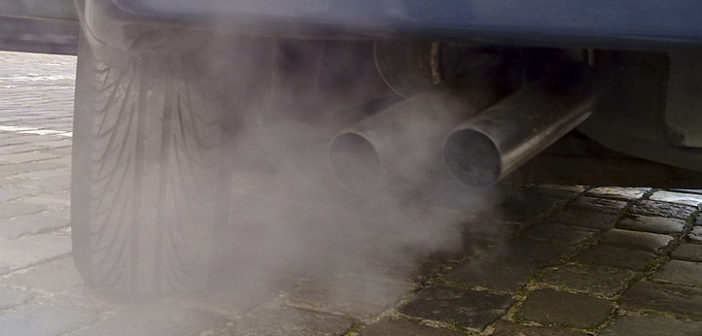
The case was brought by ClientEarth, a group of environmental lawyers, which said the ruling will “save thousands of lives a year by forcing the Government to urgently clean up pollution from diesel vehicles, the main source of the illegal levels of Nitrogen Dioxide found in many of the UK’s towns and cities.”
ClientEarth Lawyer Alan Andrews said:
“Air pollution kills tens of thousands of people in this country every year. We brought our case because we have a right to breathe clean air and today the Supreme Court has upheld that right.
“This ruling will benefit everyone’s health but particularly children, older people and those with existing health conditions like asthma and heart and lung conditions.
“The next Government, regardless of the political party or parties which take power, is now legally bound to take urgent action on this public health crisis. Before next week’s election all political parties need to make a clear commitment to policies which will deliver clean air and protect our health.”
The British heart Foundation also praised the decision, as exposure to high levels of air pollution can exacerbate existing heart conditions, increase the risk of heart attack and increase the risk of hospitalisation or death from stroke.
Mike Hobday, Director of Policy at the British Heart Foundation, said:
“Today’s ruling sends a clear message to the UK Government. They must put plans in place to clean up the UK’s dirty air.
“The UK Government has a duty to protect public health and ensure the air we breathe is safe – a duty they have so far failed to fulfil.
“Reducing air pollution will help protect the health of the 7 million people living with cardiovascular disease and also help protect the heart health of future generations.”